What Is a Lipoma? Symptoms, Diagnosis, Treatment, and Cancer Risk
Dr Sandra Krishnan • July 28, 2026

What Is a Lipoma and What Is Its Risk of Malignancy?

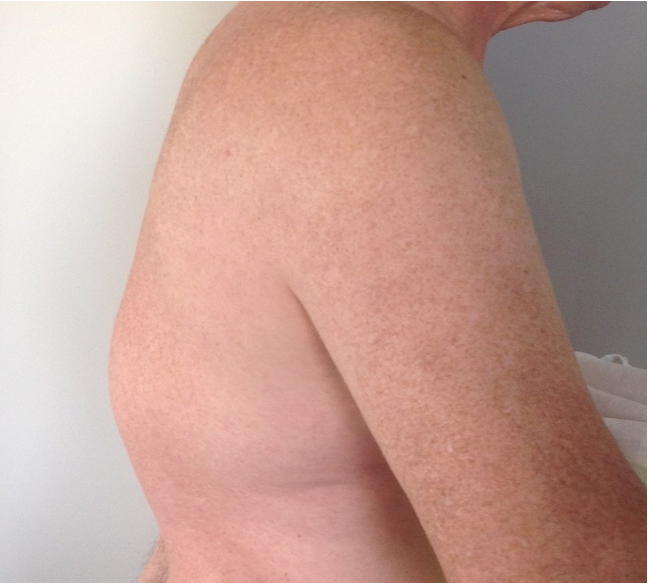
A lipoma is a benign tumour made up of fatty tissue. Lipomas are common soft tissue lumps and usually grow slowly just beneath the skin. They are most often found on the neck, shoulders, back, arms, thighs, chest wall, or armpits.


In most cases, a lipoma is harmless and does not become cancerous. However, because not every lump is a lipoma, any new, enlarging, painful, or deep lump should be assessed by a doctor. Read more about lumps and bumps here.


What causes a lipoma? 

The exact cause of lipomas is not fully understood. In some people, lipomas appear to run in families, suggesting a genetic tendency. Lipomas may become more noticeable during periods of weight change, but they are not caused by poor diet or obesity alone. They can occur anywhere in the body, although the neck, armpits, groin, back, shoulders, and arms are common sites. 


Can a lipoma turn into cancer? 

A typical lipoma is benign and has a very low risk of malignant transformation. In other words, a standard lipoma does not usually turn into cancer.


That said, a lump that is rapidly growing, painful, firm, deep, fixed, or in an unusual location should be evaluated carefully. These features do not necessarily mean cancer, but they do mean the lump needs proper assessment.

How is a lipoma diagnosed?

Most lipomas can be diagnosed by physical examination. They are often soft, mobile, and well-defined under the skin.


If the diagnosis is uncertain, or if the lump is deep, large, painful, or atypical, imaging may be needed. This may include:

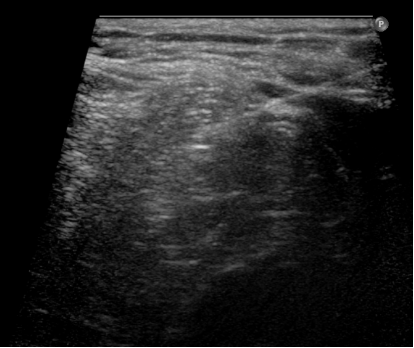
  • Ultrasound.
  • CT scan.


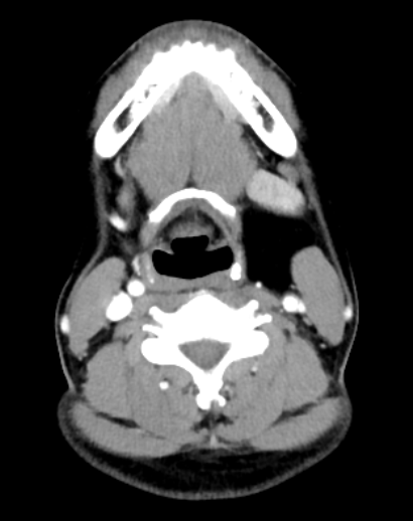
CT scan showing a large lipoma in the neck, which is a fairly unusual position. It is also under the muscle, which makes it a complicated lipoma, one that requires careful exploration and removal.


CT Scan of Lipoma neck

  • MRI.
  • Needle biopsy in selected cases.


Further testing helps distinguish a lipoma from other soft tissue lumps and ensures that a more serious condition is not missed.
When does a lipoma need treatment?

Not all lipomas need to be removed. Treatment is usually recommended if the lipoma is:

  • Painful or tender.
  • Growing in size.
  • Causing cosmetic concern.
  • Interfering with movement or daily activities.
  • Uncertain in diagnosis.


Lipoma surgery

Surgical excision is the most common treatment when removal is needed. The lump is usually removed in full and sent for pathology confirmation.


Lipoma removal is usually a straightforward procedure, although the approach depends on the size and location of the lump. Smaller lipomas may be removed under local anaesthesia, while larger or deeper lipomas may require general anaesthesia or sedation.
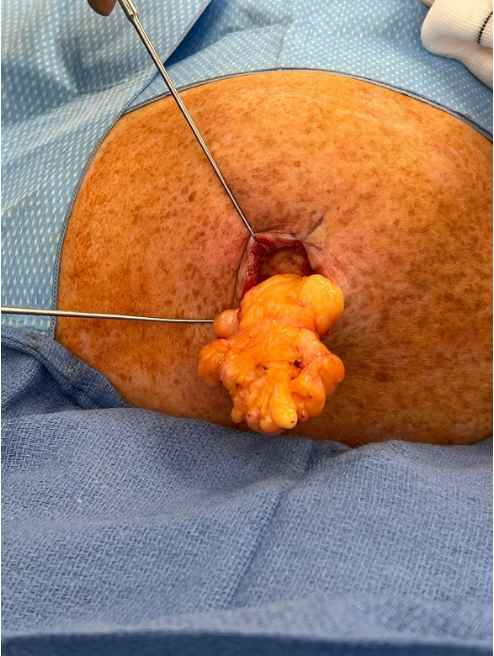


During surgery, an incision is made over the lump and the lipoma is carefully dissected away from the surrounding tissue. The wound is then closed with sutures and dressed appropriately.


Before surgery

Before surgery, you will usually receive instructions about fasting, medications, and arrival time. It is important to follow these instructions carefully and to let your doctor know about any allergies, medical conditions, or medications you take.


After surgery

After surgery, the wound is usually covered with a dressing, and sometimes a waterproof layer is used to protect the incision during showering.


Typical aftercare may include:

  • Keeping the wound dry for the first 48 hours, unless advised otherwise.
  • Removing outer dressings as directed.
  • Monitoring for swelling, redness, discharge, fever, or increasing pain.
  • Attending a wound review appointment, often within 1 to 2 weeks.
  • Reviewing pathology results once they are available.
  • The wound usually settles gradually, and the scar often becomes less noticeable over time.


When should you see a doctor?

You should have any new lump assessed if it is enlarging, painful, firm, deep, fixed, or not behaving like a typical lipoma. Even though lipomas are benign, proper assessment is important to confirm the diagnosis and rule out other causes of a soft tissue lump.

Social Listings

By Sandra Krishnan July 23, 2026
When facing a breast cancer diagnosis, the question of lumpectomy vs mastectomy comes up in almost every consultation.
By Sandra Krishnan June 16, 2026
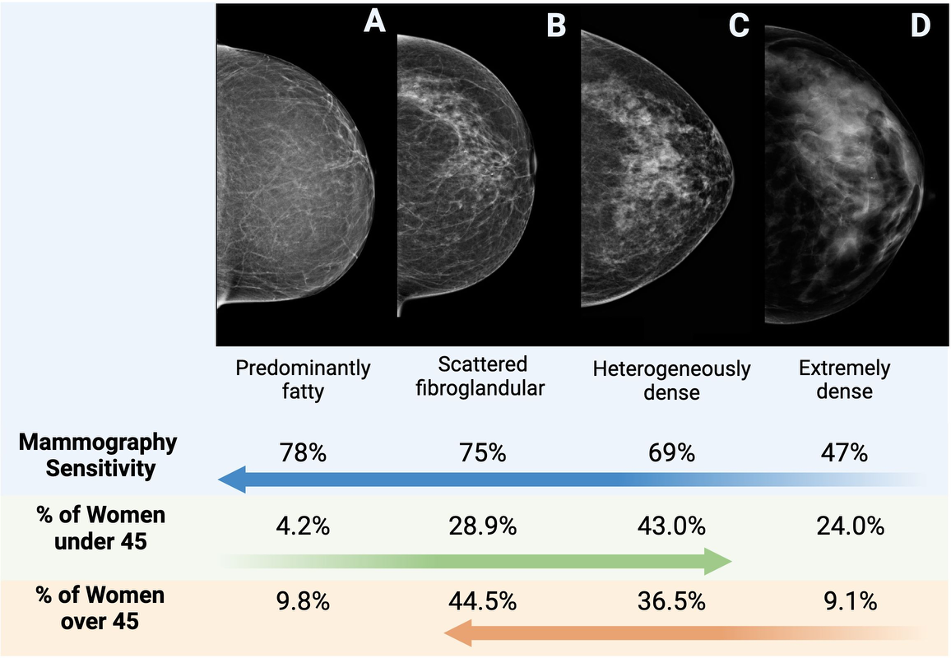
Breast density describes how much fibroglandular tissue there is compared with fatty tissue on a mammogram.
By Sandra Krishnan April 2, 2024
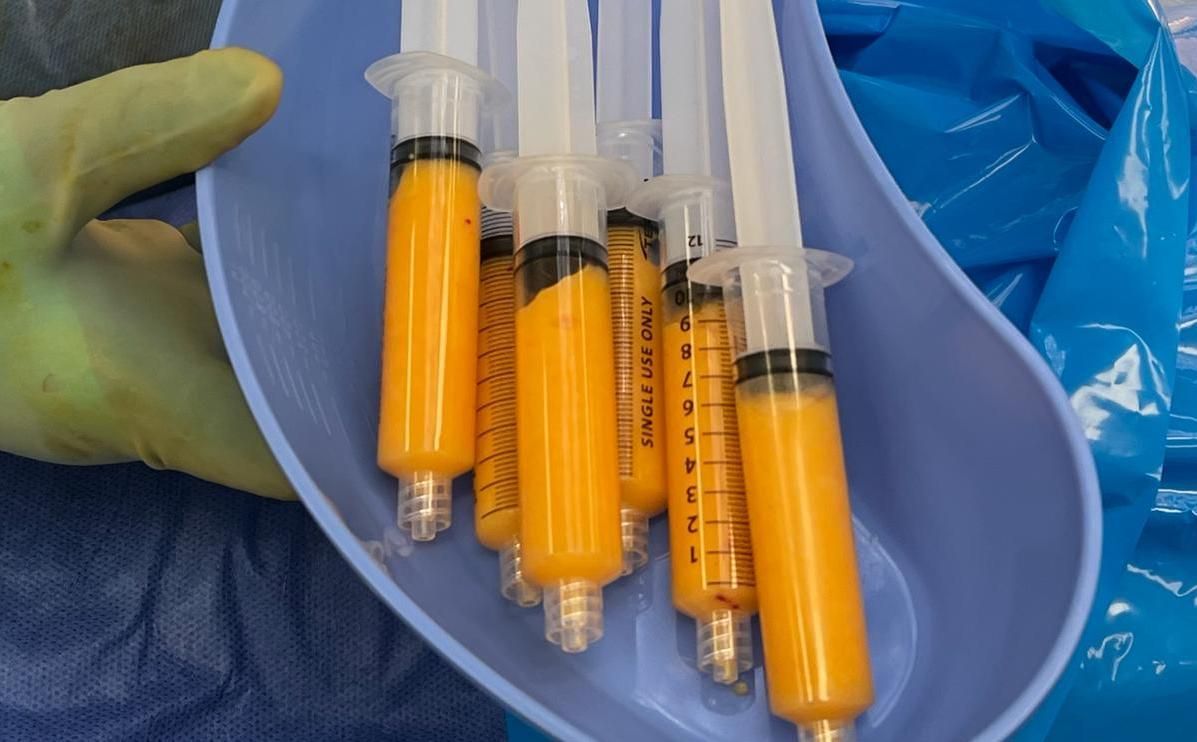
Lipofilling, Liquid Gold of breast cancer surgery What is Autologous Fat Grafting? Fat grafting, also known as lipofilling or autologous fat grafting, is a minimally invasive reconstructive method that an Oncoplastic Breast Surgeon uses to achieve an excellent outcome after breast cancer surgery. It utilises a patient's own adipose tissue to replenish volume loss resulting from breast cancer treatment or congenital abnormalities. This procedure involves transferring fat from one area of the body, typically the abdomen, thighs, or buttocks, to another area that requires augmentation or reconstruction. Fat injection specifically refers to the process of injecting harvested fat cells into a targeted area. What is the role of Lipofilling in Breast Cancer Reconstructive Surgery? Lipofilling plays a crucial role in breast cancer reconstructive surgery, offering a more natural alternative to traditional implant-based reconstruction. It allows for the creation of a soft and natural breast mound using the patient's own tissue, which can improve symmetry and restore confidence following mastectomy. Additionally, lipofilling can address contour irregularities and improve the aesthetic outcome of breast reconstruction. However, it's essential for patients to discuss their goals and expectations with their surgeon to determine if lipofilling is the right option for them, taking into account factors such as previous radiation therapy and the presence of any remaining cancer cells. What are the breast cancer surgical indications of Fat Grafting? The indications for fat grafting encompass rectifying and averting defects stemming from surgeries for breast cancer, preempting breast cancer, and rectifying defects related to congenital abnormalities. Does this procedure benefit patients who have had previous breast reconstruction? For patients who have previously undergone breast reconstruction, lipofilling can enhance prosthetic coverage and mitigate rippling, contour defects, and the adverse effects of radiotherapy on reconstructed breast skin. Total breast reconstruction via lipofilling necessitates multiple sessions due to the limited amount of tissue transferred per session. Additionally, lipofilling can aid in delayed breast reconstruction by preparing thin or irradiated chest skin flaps before the insertion of a tissue expander or autologous flap surgery. Furthermore, preliminary studies suggest that lipofilling may alleviate chronic pain following breast cancer treatment, although its efficacy can vary, warranting further investigation. What are the steps of the procedure?
By Sandra Krishnan February 4, 2024
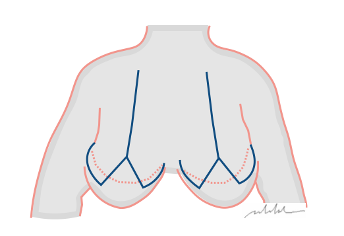
Goldilocks Mastectomy WHAT IS A GOLDILOCKS MASTECTOMY? Goldilocks procedure is undertaken subsequent to a mastectomy, aimed at total elimination of all breast tissue. Following bilateral mastectomy, the remaining fatty tissue and skin undergo a transformative process to craft a breast mound, thereby providing a semblance of shape and definition to the breast. While this procedure is commonly employed for patients with larger and heavier breasts, the applicability extends to some patients with smaller breasts. Without the use of tissue expanders, implants or flap insertion; the Goldilocks mastectomy offers a flexible and patient-centered approach to breast reconstruction.
By Sandra Krishnan August 7, 2023
Triple Negative Breast Cancer What is a Triple Negative Breast Cancer? Triple Negative Breast Cancer, abbreviated to TNBC, is a unique subtype of breast cancer characterised by the absence of these three receptors (hence Triple Negative) on the cancer cells. Breast cancer is not a singular entity. There are so many variables, and while most breast cancers fit into a particular mould, a smaller percentage are distinct and different. Understanding the characteristics and differences of t between triple-negative breast cancer and other types of breast cancer is crucial for accurate diagnosis and treatment planning. We determine the specific type of breast cancer based on the presence or absence of receptors, proteins found inside or on the surface of cells that trigger cellular responses. These receptors include the Oestrogen receptor (ER) Progesterone Receptor (PR) Human Epidermal Growth Factor Receptor 2 (HER2)
Nipple discharge
By Sandra Krishnan May 5, 2023
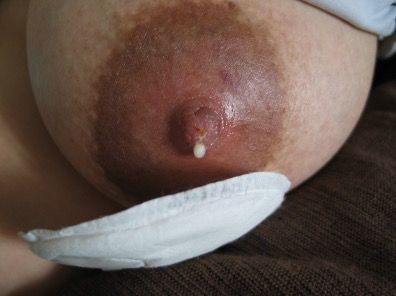
Nipple discharge refers to the presence of fluid coming out of the nipple. It can be caused by a variety of factors, including hormonal changes, infection, injury, or breast cancer. The discharge can be unilateral (from one breast) or bilateral (from both breasts) and may vary in colour and consistency
Gynaecomastia
By Sandra Krishnan February 13, 2023
Gynaecomastia is an increase in the amount of breast gland tissue in boys or men, caused by an imbalance of the hormones oestrogen and testosterone. It can affect one or both breasts, sometimes unevenly.
Oncoplastic Breast Surgeon Breast Cancer
By Sandra Krishnan November 14, 2022
Oncoplastic breast surgery uses advanced techniques for breast cancer operations in which two important goals are achieved: most importantly the breast cancer is removed safely with a rim of healthy breast tissue around it. Secondly, the defect is reconstructed to provide the most cosmetic outcome, and achieve symettry.
What are stages of melanoma?
By Sandra Krishnan January 29, 2022
A brief description of Melanoma, its importance, staging and surgery
Sydney Adventist Hospital
By Sandra Krishnan December 23, 2021
If you’ve been referred to a breast clinic by your GP or if you’ve been recalled following routine breast screening, it’s natural to feel anxious or worried. The vast majority of people who are seen at a breast clinic will not have breast cancer. However, it’s still important to attend your breast clinic appointment so you can be fully assessed